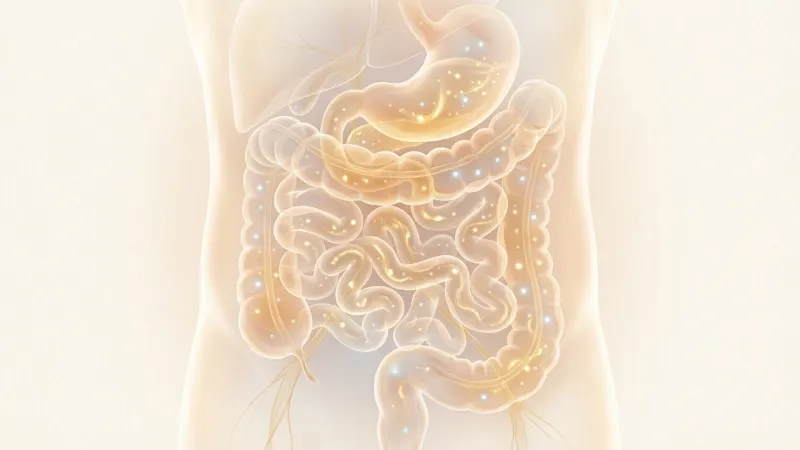
What happens to your gut bacteria when you cut the carbs?
The ketogenic diet has well-documented benefits for weight loss, blood sugar and inflammation. But what happens to the many billions of bacteria in your gut when you cut fibre sharply? Your gut bacteria (together called the gut flora) live on fibre, and fibre mostly comes from the carb-rich foods keto cuts out: whole grains, legumes and fruit.
You can think of your gut bacteria as a small herd of animals you feed with fibre. Cut the fibre away, and the helpful species go hungry, while others that live on fat and protein take over the space.
In 2022, Rew and colleagues from the University of Worcester published a systematic review (a structured walk-through of all the available research on a topic) in the journal Gastroenterology and Hepatology from Bed to Bench. They went through 263 research papers and ended up with a small group of high-quality studies. The conclusion was clear: keto changes the gut flora noticeably, and not all the changes are good.
In short: A systematic review shows that keto changes the gut flora noticeably. The fiber-eating bacteria such as Bifidobacterium typically fall, and the production of short-chain fatty acids goes down. The review itself highlights the persistent drop in Bifidobacterium as concerning, with obesity, type 2 diabetes and depression as possible consequent risks. That does not mean keto is bad for the gut, but you have to actively make sure you get fibre: chia seeds, flaxseed, avocado, broccoli and berries.
What the review found
The researchers found several changes in the gut flora that recurred across the studies:
- Fewer Bifidobacterium, one of the best-studied "good" bacteria. It eats fibre and makes short-chain fatty acids (SCFA, small fatty-acid molecules that are important energy for the gut cells and calm inflammation).
- Less of the short-chain fatty acids butyrate, propionate and acetate, which are crucial for the health of the gut cells, the tightness of the gut wall and the immune system. Butyrate is the main food for the cells that line the gut wall on the inside. In one of the studies, however, they also fell in the control group on a moderate-carbohydrate diet, not only on keto.
- A changed mix of bacteria. The hard carb restriction and the high fat content favour fat-tolerant bacteria at the expense of the fibre-eating species.
- Possibly less diversity at first, meaning fewer different species of bacteria. The evidence here is weak: only one of two studies saw a drop, and it had disappeared again after six months.
This is worth paying attention to, because low diversity and fewer short-chain fatty acids are linked to a greater risk of inflammation, a weakened gut barrier (the wall that stops bacteria and waste from leaking from the gut into the blood) and long-term health problems.
What changes in the gut when you switch to keto?
· Production of short-chain fatty acids (especially butyrate)
· Akkermansia muciniphila (in some studies)
· Bacteria that thrive on protein and fat
Why is fibre so important for the gut?
Fibre is the part of the plant the body cannot digest itself. Instead, fibre is food for the gut bacteria, which eat it and make helpful substances, especially the short-chain fatty acids. That process is central to the gut:
- Butyrate is the main food for the cells in the gut wall, a bit like petrol for an engine. It strengthens the gut barrier and calms inflammation. A shortage of butyrate can make the gut more leaky, where unwanted substances pass through the gut wall more easily.
- Propionate is sent to the liver and helps control the making of cholesterol and the liver's own production of sugar.
- Acetate is the most common of the three in the blood and helps regulate appetite and fat metabolism.
On an ordinary keto, fiber intake is markedly lower than the 25 to 38 grams a day US health authorities recommend; the review gives no exact figure. That gap is the main reason for the changes in the gut flora.
How to protect your gut flora on keto
The good news is that you can keep a healthy gut flora on keto. It just takes a little planning. Here are the most important moves:
Low-carb fibre sources
Several foods are rich in fibre but low in net carbs (total carbs minus fibre):
- Avocado: about 7 grams of fibre per half fruit, only 2 grams of net carbs.
- Flaxseed and chia seeds: 3 to 5 grams of fibre per tablespoon, almost no net carbs.
- Broccoli and cauliflower: about 2 to 3 grams of fibre per 100 grams, few carbs.
- Spinach and kale: fibre-rich leafy greens with minimal carbs.
- Nuts: almonds and walnuts have 3 to 4 grams of fibre per handful.
- Psyllium husk: a pure fibre supplement you can stir into a drink or use in baking.
Prebiotic supplements
Prebiotics are particular types of fibre that specifically feed the helpful bacteria. Several of them fit keto:
- Inulin, a fibre that especially boosts Bifidobacterium. Found naturally in onion, garlic and leeks.
- Partially hydrolysed guar gum (PHGG), a water-soluble fibre that is digested slowly and tolerated well by most.
- Acacia fibre, a mild prebiotic fibre from the acacia tree that most people tolerate fine.
Fermented foods
Fermented foods add live bacteria (probiotics) directly to the gut:
- Sauerkraut and kimchi, keto-friendly and rich in lactic acid bacteria.
- Unsweetened yoghurt or kefir. Choose products with live cultures and a low carb content.
- Kombucha, the unsweetened kind in moderate amounts (check the carbs).
The balance between ketosis and gut health
It is important to say that the review also found positive changes on keto. Some studies saw a drop in potentially harmful bacteria and changes that were linked to less inflammation. The ketones themselves (especially beta-hydroxybutyrate, BHB) have well-documented anti-inflammatory properties.
The key is to tell the difference between a "clean" keto, made up mostly of animal fat, protein and very few vegetables, and a "green" keto that deliberately includes plenty of low-carb, fibre-rich vegetables, nuts and seeds. The green version gives the benefits of ketosis without sacrificing the diversity of the gut flora.
In brief
Keto changes the gut flora noticeably, with fewer fibre-eating bacteria and less of the short-chain fatty acids that are crucial for gut health. The fix is not to drop keto, but to prioritise low-carb fibre sources such as avocado, seeds, leafy greens and fermented foods. Aim for at least 20 grams of fibre a day, even in strict ketosis, and consider a prebiotic supplement such as inulin to support Bifidobacterium and the gut as a whole.
Who is this for?
Fibre and gut flora on keto are relevant for everyone on a low-carb diet, but especially:
- People with chronic bowel disease (Crohn's disease, ulcerative colitis, irritable bowel): the amount and type of fibre must be tailored individually, because certain fibres (FODMAPs) can make symptoms worse.
- People just starting keto: the gut flora typically begins to change within the first few weeks, and some of the changes fade again after several months, so watch for constipation or diarrhea during the transition.
- People with coeliac disease or gluten intolerance: many classic fibre sources (oats, bread) are out, so choose gluten-free vegetables, seeds and nuts.
- People who have just taken antibiotics: the gut flora can be depleted, so rebuild it gradually with fermented foods and many different plant fibres.
- People with diverticula in the gut: the fibre recommendations depend on the phase of the condition, so talk to your doctor.
- Pregnant and breastfeeding women: the fiber need is raised (28 to 29 grams a day), and that can be hard to reach on a strict keto without deliberate planning.
- Children and adolescents: keto for children should only happen under the supervision of a doctor or dietitian, because fiber needs and carb restriction have to be assessed individually.
- People with a history of eating disorders: strict rules about "allowed" fibres can wake restrictive patterns again.
For healthy adults on keto, the target is 20 to 30 grams of fibre a day from vegetables, berries, nuts, seeds and possibly a prebiotic supplement. Variety in the fibre sources matters more than large amounts of one kind.
Related Reading
Fibre, gut flora and keto are tied to inflammation and metabolism:
- Keto reshapes the gut flora and calms inflammation via Th17 cells looks at the immune side of keto and gut flora.
- BHB blocks the NLRP3 inflammasome is about the anti-inflammatory role of ketones, which helps offset the drop in fibre.
- The ketogenic diet and disease: what does the evidence show? gives the clinical context where gut health becomes important.
Source: Rew L, Harris MD, Goldie J (2022). The ketogenic diet: its impact on human gut microbiota and potential consequent health outcomes: a systematic literature review. Gastroenterology and Hepatology from Bed to Bench. PubMed