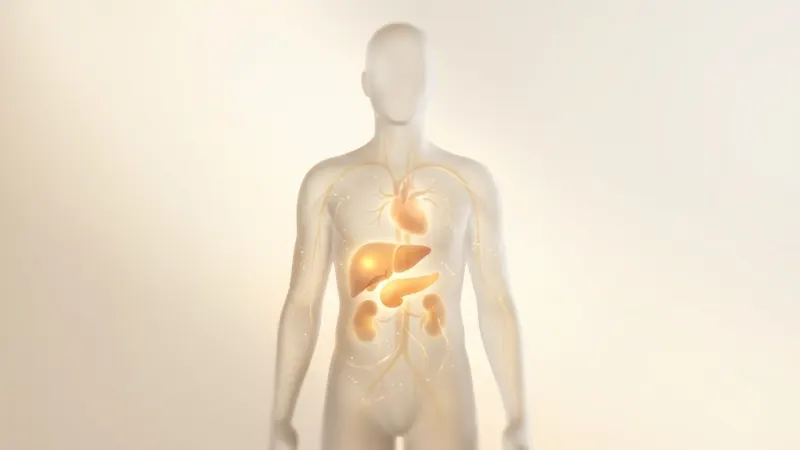
Keto is popular, but is it right for everyone?
The ketogenic diet (a way of eating that is very low in carbohydrates and high in fat, often just called keto) has become hugely popular, with research pointing to promising results in everything from weight loss and diabetes to epilepsy and possibly even depression. But like any powerful tool, it is not risk-free for everyone. A thorough review (an article that pools the results of many studies) published in Annals of Medicine in 2026 took a careful look at the other side of the story: Who should stay away from keto, and what should you watch out for?
In short: Most side effects of keto are temporary and show up at the start, while the body adjusts to the diet. But a small group should avoid keto entirely, because their bodies cannot burn fat the way keto demands. This includes a few rare, inherited metabolic conditions and the blood disorder porphyria. A larger group can try keto, but only with a doctor keeping an eye on things: people who are pregnant or breastfeeding, people with type 1 diabetes, kidney or liver disease, or an eating disorder (but not at all with anorexia and underweight). If you take medication for diabetes or high blood pressure, the dose may need adjusting. If you notice signs of mania in the first months (much less sleep without feeling tired, unusually high energy, racing thoughts), contact your doctor the same day, even if you have never had bipolar disorder. The short version: ask your doctor before you start.
- Rare, inherited conditions where the body cannot burn fat safely
- Porphyria (a rare, inherited blood disorder)
- Pregnancy and breastfeeding
- Type 1 diabetes
- Kidney and liver disease
- Eating disorders (anorexia with underweight: not at all)
- Children (unless it is for epilepsy)
When keto can be dangerous
There are a handful of rare but serious conditions where keto is directly dangerous. According to Dyńka and colleagues, these include:
- Certain inherited metabolic conditions. Think of the body as a car that can normally run on two fuels: sugar and fat. In a few people, the "fat engine" is born with a fault, so they cannot burn fat properly at all. For them, keto, which runs on fat, becomes dangerous rather than healthy. In others the problem is the opposite: the body cannot make enough sugar on its own and depends on sugar from food, and keto is dangerous there too.
- Porphyria. A group of rare, inherited diseases that disrupt the body's production of an important building block in red blood cells. Ketosis can trigger acute attacks.
These conditions are rare. According to the review, the inherited metabolic disorders are typically diagnosed early in life, most often in infancy. Porphyria, on the other hand, can first show up in the teens or in adulthood: in acute intermittent porphyria, the most common of the forms that cause acute attacks, the attacks typically begin in the teens or twenties, according to the clinical overview GeneReviews (Sardh and Barbaro, updated 2024). If you or anyone in your family has porphyria, tell your doctor before you start keto.
When keto calls for extra caution
A much larger group can follow keto, but should do it closely with their doctor:
- Acute inflammation of the pancreas: a high fat intake can make it worse.
- Advanced liver or kidney disease: the liver and kidneys play a leading role when the body works with ketones, and weakened organs may struggle with the extra load.
- Inherited high cholesterol (familial hypercholesterolemia): how keto affects cholesterol in this group is still unresolved. In some people LDL cholesterol falls along with the weight loss, while in others, especially lean people, it can rise sharply. Safety has not been studied thoroughly, so it should only be attempted with close medical follow-up of blood lipids.
- Diabetes on certain medications: in particular, a type of diabetes drug called SGLT2 inhibitors can, together with ketosis, raise the risk of ketoacidosis, a dangerous condition where acid builds up in the blood.
- Gallstones: a high-fat diet makes the gallbladder contract more forcefully, which can push an existing stone into the bile duct and cause acute pain (biliary colic) or, in rare cases, block the duct.
- A removed gallbladder: here bile instead trickles steadily from the liver, so a lot of fat at once can be hard to digest. Spread your fat intake across several smaller meals.
- Pregnancy and breastfeeding: the baby needs sugar (glucose), so strict ketosis can be risky.
- Being underweight: keto can cause even more weight loss, which is unhelpful if you already weigh too little. If you have anorexia and are underweight, you should not use keto at all. That is the view of the eight authors of a 2026 expert consensus in Frontiers in Nutrition, who themselves treat severe mental illness with keto. The review behind this article mentions a handful of case reports in which keto helped with anorexia, but calls the findings preliminary.
- Heart rhythm and salt imbalances: keto changes the body's balance of salts (sodium, potassium, magnesium), which can worsen existing heart rhythm problems.
Medication that can interact with keto
The review goes through several medications that can react with ketosis:
- SGLT2 inhibitors (such as empagliflozin and dapagliflozin): raise the risk of a sneaky form of ketoacidosis where blood sugar looks completely normal and is therefore hard to spot.
- Insulin and certain blood-sugar-lowering tablets: your doctor usually needs to lower the dose, because keto already lowers blood sugar. Otherwise blood sugar can drop too low.
- GLP-1 weight-loss medication (such as semaglutide/Ozempic): dampens appetite just as keto does, so the two can reinforce each other. Close follow-up is recommended, partly because GLP-1 medication can itself cause low blood sugar, and combining it with keto can amplify that risk.
- Blood pressure medication: keto lowers blood pressure on its own, sometimes as effectively as the medication does. Combined, the two can push blood pressure too low, so the dose often needs to be reduced or stopped by your doctor.
- Water pills (diuretics): keto is already mildly diuretic, and together they can lead to dehydration and salt imbalances.
- Epilepsy medication: some drugs can affect or be affected by ketosis, so the dose may need adjusting.
- Corticosteroids: pull in the opposite direction of keto by raising blood sugar.
- Lithium (for bipolar disorder): keto increases the amount of sodium and water the kidneys excrete, and the kidneys handle lithium much the way they handle sodium. That can change the lithium level in the blood, especially in the first weeks of keto. Lithium has a narrow therapeutic window, so the level should be measured before and during keto. If you take other medication for depression or another mental illness, agree on keto with your psychiatrist before you start (more on this at the bottom).
- Statins and other fat-soluble medications (for example antipsychotics such as olanzapine and clozapine, certain antidepressants such as amitriptyline and nortriptyline, benzodiazepines and beta-blockers): a very high-fat diet can increase how much of these drugs is absorbed into the blood, which can strengthen both the effect and the side effects. The dose should be reviewed by your doctor.
The common side effects: keto flu and more
The most widely reported side effects are well known among people who have tried keto:
- Keto flu: temporary fatigue, headache, nausea and dizziness in the first days to weeks. The symptoms come while the body adjusts to running on fat instead of sugar, and losing salts is one of the possible explanations. Our article on keto flu goes into the symptoms in depth.
- Digestive issues: constipation or loose stools, often because of a change in how much fiber you eat.
- More frequent urination: keto is naturally diuretic, especially at the start.
- Low blood sugar: especially in people with diabetes who have not had their medication adjusted.
What does this mean in practice?
The point is not that keto is dangerous for most people. Quite the opposite. For many it is an effective diet that the body tolerates well. But this review highlights two things worth remembering:
- Talk to your doctor before you start, especially if you take medication, have a chronic illness, or if heart disease or high cholesterol runs in your family.
- Keto is not for everyone. The best diet is the one that fits your body, your medication and your daily life. Knowing when keto is NOT the right choice is at least as important as knowing when it is.
Who is this for?
These groups need to pay particular attention:
- People with several chronic conditions: a doctor should weigh up what to prioritize. Keto is not always the first thing to try when the picture is complicated.
- Older adults on many medications: many interactions between keto and medication are not fully mapped, so a slow start under medical supervision matters.
- Medication for depression or another mental illness: Agree on keto with your psychiatrist before you start, and never change your medication on your own. Besides lithium, valproate (for epilepsy and bipolar disorder), antipsychotics, MAOIs and SSRIs or SNRIs (types of antidepressants) can each need their own precautions on keto. According to the review, blood levels of valproate tend to fall on keto, so they should be measured, and antipsychotics such as olanzapine and clozapine belong to the fat-soluble medications above. MAOIs combined with aged cheeses, salami and fermented foods can cause dangerously high blood pressure, and SSRIs and SNRIs can cause too little sodium (salt) in the blood. The review does not cover those two, but our guide to keto, fasting and the brain does.
- Signs of mania: If you sleep much less than usual without feeling tired, have unusually high energy, or your thoughts race during your first months of keto, contact your doctor or psychiatrist the same day. This is called hypomania, or mania in its more severe form. It applies even if you have never had bipolar disorder: in a 2026 case series in Frontiers in Nutrition, an American psychiatrist described 9 people who developed hypomania (8) or mania (1) within two months of starting keto, 7 of them without a prior bipolar diagnosis.
- You, if you have already started without reading the precautions: watch for symptoms like dizziness, palpitations and extreme fatigue. They can be signs of an underlying problem that should be seen by a doctor.
- Relatives of someone following keto: look out for warning signs. Significant weight loss, social withdrawal or very rigid rules around food can point to an eating disorder rather than a healthy lifestyle change.
- Healthcare professionals: use the article to inform patients, and remember to keep it balanced. Keto should be neither recommended blindly nor dismissed across the board.
For healthy adults without the conditions listed above, the advice is to approach keto thoughtfully and follow up along the way.
Related Reading
Once the precautions are clear, here is more on the biggest ways keto is used in practice:
- The Ketogenic Diet and Disease: What Does the Evidence Show? gives the broad clinical picture where keto is used as a tool.
- Ketogenic Diets in Diabetes: An Effective Tool, Not a Miracle Cure covers the largest application area, where the precautions really have to be put into practice.
Source
The ketogenic diet is not for everyone: contraindications, side effects, and drug interactions