Sweet Taste Without Calories, But What About Appetite?
Sucralose is a widespread non-caloric sweetener that delivers intense sweetness without contributing energy. That makes it popular with people looking to reduce sugar intake, including many following keto or low-carb diets.
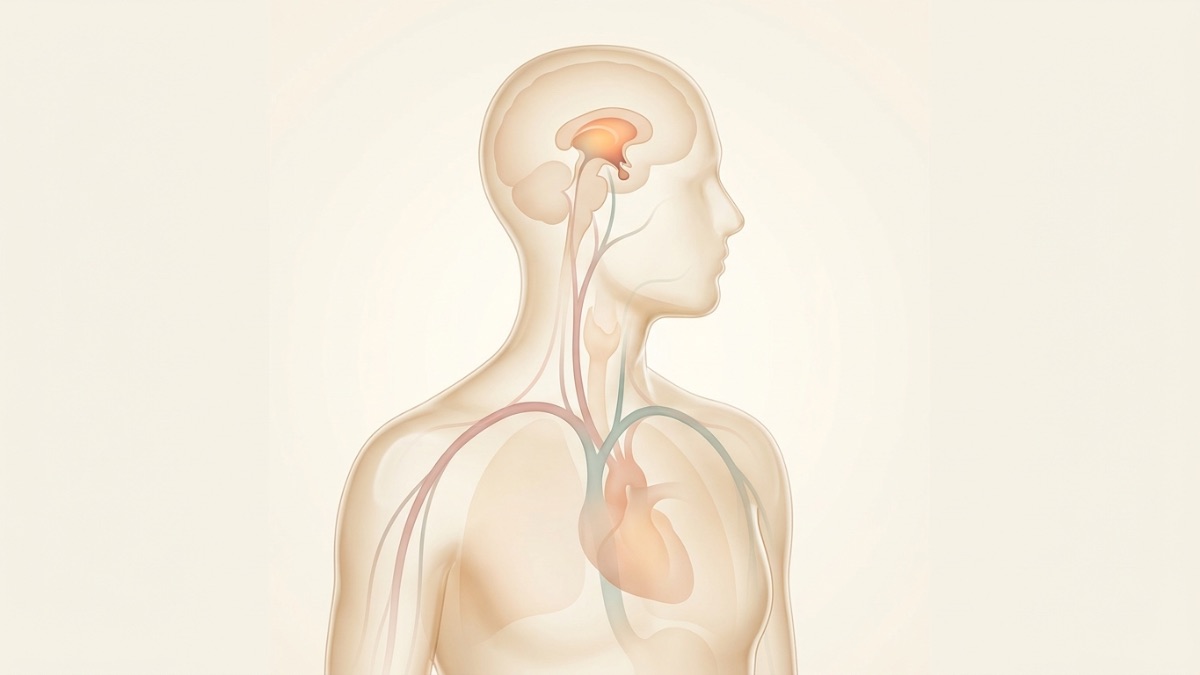
Yet researchers have debated for years whether non-caloric sweeteners can affect appetite. One possible explanation is that sweet taste normally accompanies a rise in blood sugar and metabolic signals, which communicate with the brain, especially the hypothalamus (a central brain region that regulates appetite, satiety, and energy balance), and dampen hunger. If sweetness isn't followed by calories and a glucose rise, this signaling may be absent.
In 2025, Chakravartti and colleagues published a randomized crossover trial in Nature Metabolism (a study design where each participant tries all treatments in different order and acts as their own control) of 75 young adults provides insight into how sucralose affects the brain and hunger compared to sugar and water.
In short: An RCT in 75 young adults shows sucralose is not metabolically neutral, it raises blood flow in the hypothalamus (the brain's appetite centre) and produces greater hunger than ordinary sugar. When you taste sweet without a glucose rise, the brain receives mismatched signals. Use sweeteners sparingly, not as a daily sugar substitute.
Important: Sucralose vs. Sucrose
The two words sound similar but are very different:
- Sucralose, an artificial, non-caloric sweetener (about 600 times sweeter than regular sugar). Sold under brand names like Splenda.
- Sucrose, regular table sugar (chemically a disaccharide of glucose and fructose).
In the study, sucralose was compared to sucrose, the artificial sweetener versus real sugar.
How the Study Was Conducted
The study involved 75 young adults with normal weight, overweight, or obesity. The design was a randomized crossover trial, meaning the same participants consumed three different drinks at different times:
- A drink with sucralose
- A drink with sucrose (regular table sugar), sweetness-matched to sucralose
- Water
Researchers measured changes in hypothalamic blood flow (an indirect marker of neural activity, measured via imaging techniques) as well as participants' subjective hunger. Peripheral glucose levels (blood sugar measured in the body's circulation) were also measured.
How the brain and body respond to three drinks
Hunger: High reported
Blood sugar: No rise
Hunger: Lower
Blood sugar: Rises
Hunger: High reported
Blood sugar: No rise
Increased Hypothalamic Activity with Sucralose
The hypothalamus plays a central role in regulating appetite and energy balance. In the study, acute sucralose intake compared to sucrose increased hypothalamic blood flow. Compared to water, sucralose also increased hypothalamic blood flow.
Blood flow serves here as a marker of neural activity. The results therefore suggest that sucralose activates brain regions central to appetite regulation, even though the drink contains no calories.
More Hunger with Sucralose Than Sugar
For hunger ratings, a clear difference emerged between sucralose and sugar. Participants reported greater hunger after sucralose compared to sucrose.
However, there was no difference in hunger between sucralose and water, even though sucralose increased hypothalamic blood flow compared to water.
This suggests that sugar, but not sucralose, triggers mechanisms that dampen hunger. The study also showed that sucrose increased peripheral glucose levels, and this glucose rise was associated with reduced blood flow in the medial hypothalamus. Sucralose did not produce this glucose rise.
Altered Connections in the Brain
Another interesting finding: sucralose, compared to both sucrose and water, increased functional connectivity (measured communication between different brain regions) between the hypothalamus and brain areas involved in motivation and somatosensory processing (processing of body-related sensory input like touch, temperature, and internal states).
That means sweetness from sucralose affects not just the appetite center itself but also regions linked to desire, motivation, and bodily sensation. These changes may be relevant for how we experience and respond to food.
What does it mean for you, the sweetener user?
The study shows that sucralose can affect central brain mechanisms that regulate appetite. Compared to sugar, sucralose:
- Increases hypothalamic blood flow
- Leads to greater reported hunger
- Does not trigger the same glucose-mediated dampening of hypothalamic activity
For people who use sucralose to reduce calorie intake, it may be worth paying attention to how it affects subjective hunger. If you experience increased appetite or more cravings after sweetened products, it may be worth experimenting with reducing intake and instead focusing on whole, satiating foods.
Practical considerations
- Pay attention to your own hunger response after consuming non-caloric sweeteners.
- Prioritize protein and fat, which naturally support satiety.
- Avoid using sweeteners as a substitute for frequent exposure to intense sweetness, as it can maintain a taste preference for sugar.
- Drink water as your primary beverage instead of sweetened alternatives if you want to retrain your taste buds.
The study's limitations
The study measures acute effects (what happens shortly after intake), not long-term weight or metabolic changes. The participants were young adults, so the results cannot automatically be transferred to children, older adults, or other demographics. The crossover design is strong for controlling individual differences, but the number of participants (75) is moderate and provides limited statistical power for subgroup analyses (e.g. normal weight vs. overweight).
The study says nothing about whether sucralose leads to weight gain or metabolic dysfunction over time, which would require longer interventions.
The connection to earlier research
The results align with a growing body of research suggesting that non-caloric sweeteners are not metabolically neutral. Sweet taste is evolutionarily linked to energy, so when the brain registers sweetness without the expected metabolic response, it can change the way appetite-regulating centers react.
For people working with metabolic health, weight regulation, or a keto lifestyle, these mechanisms are relevant. The individual response can vary, but the brain's role in appetite regulation is central, and it is influenced by more than just calories.
Who Is This For?
Research on sucralose and the brain's reward system is relevant for anyone who regularly uses artificial sweeteners. Some groups need particular attention:
- People with obesity or low insulin sensitivity: The study found that the effect on hunger and brain activation was strongest in exactly these groups. If you have strong sugar cravings, there is no specific evidence, but it may be wise to pay extra attention and consider avoiding sweeteners entirely if cravings worsen.
- People with a history of eating disorders: A 2006 study found that women with bulimia or the binge/purge subtype of anorexia used artificial sweeteners more often and in larger amounts than others, without showing that the sweeteners themselves trigger binge eating. Talk to your treatment provider about your use.
- People with insulin resistance or type 2 diabetes: Although sucralose provides no calories, a 2025 randomized trial found that 30 days of sucralose reduced insulin sensitivity and altered gut microbiota in healthy, lean adults. Whether the effect is larger in insulin resistance is still unclear, so it is not a problem-free alternative to sugar.
- Pregnant and breastfeeding women: Data on sucralose during pregnancy are limited, food authorities generally consider it safe in moderate amounts, but caution is advised.
- Children: Taste development and healthier eating habits are recommended over artificial sweeteners.
- People wanting to reduce sugar intake: Sucralose can be a useful transition tool, but the goal should be gradual reduction of sweet taste in general.
For healthy adults without the above conditions, moderate use of sucralose (in coffee, tea or a single product) is likely safe but not harmless, be aware of changes in appetite or cravings, and consider tapering down over time.
Related Reading
Want to go deeper? We have a broader review article on how multiple artificial sweeteners affect gut microbiota and the brain's reward system:
- Artificial Sweeteners Disrupt the Gut-Brain Axis, a comprehensive review of how aspartame, sucralose, saccharin, and stevia affect dysbiosis, reward signaling, and appetite regulation.
Source: Chakravartti, Jann, Veit, et al. "Non-caloric sweetener effects on brain appetite regulation in individuals across varying body weights." Nature Metabolism, 2025;7:574-585. DOI: 10.1038/s42255-025-01227-8