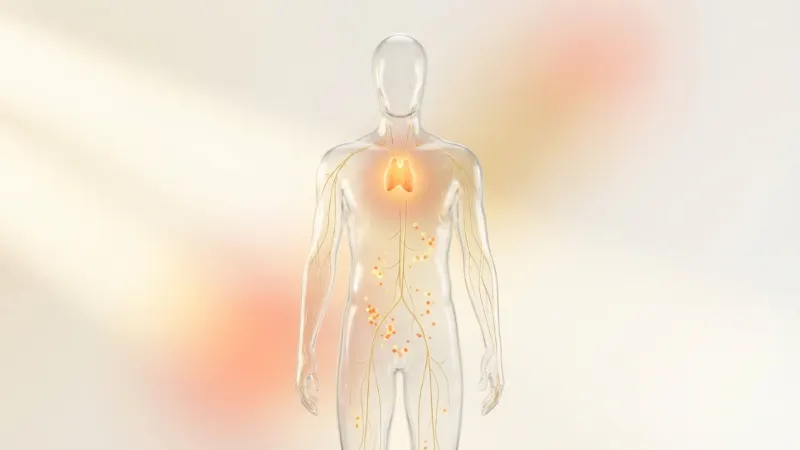
Why is zinc so important for your immune system?
Zinc is an essential trace mineral, meaning a mineral the body only needs in small amounts but cannot make or store much of itself. It has to come from food every day. Despite the small amount, zinc takes part in over 300 enzyme processes in the body and is central to the immune system.
In 2017, Wessels, Maywald and Rink from the Institute of Immunology at Aachen University Hospital published a large review of the research in the journal Nutrients titled "Zinc as a Gatekeeper of Immune Function". The conclusion was clear: zinc deficiency noticeably weakens the immune system and makes us more prone to infection.
In short: Zinc drives over 300 enzymes and is needed for both the fast and the specialised parts of the immune system. The fear of zinc deficiency on keto is often overstated, because a meat-based keto has some of the most zinc-rich foods there are. Oysters, red meat and pumpkin seeds easily cover the 8 to 11 mg you need a day. The risk lies mainly with plant-based keto and long fasts.
Zinc affects both parts of the immune system
The immune system has two main parts, and zinc is needed for both.
The innate immune system (the fast part)
The innate immune system is your first line of defence. It reacts quickly and broadly to intruders. Zinc is essential for:
- Neutrophils, the most common white blood cells, which engulf and kill bacteria. With zinc deficiency they become worse at killing bacteria.
- Natural killer cells (NK cells), which find and remove virus-infected cells and cancer cells. Their ability to kill target cells falls with zinc deficiency.
- Macrophages, large immune cells that swallow and break down foreign particles. Zinc deficiency weakens both their ability to "eat" bacteria and their production of the signalling molecules that coordinate the defence.
The adaptive immune system (the specialised part)
The adaptive immune system is the more targeted part, which builds a tailored defence against specific germs. Zinc is especially important for:
- T cells, the immune system's most important conductors. The thymus is the T cells' training camp, and it depends heavily on zinc. With zinc deficiency, thymulin, a hormone essential for T-cell maturation in the thymus, is disrupted, and the number of T cells falls markedly.
- The balance between Th1 and Th2, two types of helper T cell. Zinc deficiency tips the balance, which can amplify allergic reactions and weaken the defence against viruses.
- B cells and antibodies. Zinc is needed for B cells to mature and make antibodies.
Zinc deficiency can light a smouldering inflammation
One of the review's most important points is that zinc deficiency does not only weaken the defence. It can also light a paradoxical, chronic low-grade inflammation. In older adults with low zinc, production of the inflammatory signal IL-6 is markedly elevated while T-cell activation is weakened.
That combination, a weakened defence against infections plus a smouldering background inflammation, is exactly the opposite of what you want, whether you are on keto, fasting or just want to stay healthy.
Why are keto and fasting a risk for zinc deficiency?
Several things mean that on a ketogenic diet or long fasts you can end up short of zinc:
- A narrower range of foods. Keto cuts down on or excludes many zinc-rich foods such as legumes, whole grains and certain dairy products.
- Greater zinc loss in the urine. Ketosis can increase the excretion of minerals, including zinc.
- Less food during fasting. Fasting naturally means less food overall, and therefore fewer minerals.
- Phytic acid in nuts and seeds. Many keto-friendly foods such as almonds, walnuts and seeds contain phytic acid, which binds zinc and lowers absorption.
A 2011 study in the journal Journal of Human Nutrition and Dietetics by Christodoulides and colleagues followed children on a ketogenic diet for epilepsy. Over 12 months their selenium level fell measurably, while zinc on average held steady. It is a reminder that minerals can drift on a restrictive diet and are worth keeping an eye on, even though zinc held up better than selenium here.
The best zinc sources on keto
| Beef / lamb | 5-7 mg |
| Chicken / turkey (dark) | 3-4 mg |
| Hard cheese (cheddar/parmesan) | 3-4 mg |
| Pork loin | 2-3 mg |
| Egg | 1.3 mg |
| Pumpkin seeds | 7 mg |
Daily target: 8 mg (women) and 11 mg (men). 100 g of beef plus 1 egg covers most of it, with no supplement.
Fortunately, several of the best zinc sources are fully compatible with keto:
- Oysters, by far the richest source: 74 mg per 100 grams (over 600 % of the daily need).
- Beef and lamb: about 5 to 7 mg per 100 grams.
- Chicken and turkey: about 3 to 4 mg per 100 grams.
- Pork loin: about 2 to 3 mg per 100 grams.
- Pumpkin seeds: about 7 mg per 30 grams (keto-friendly, but watch the amount).
- Hard cheese (cheddar, parmesan): 3 to 4 mg per 100 grams.
- Eggs: about 1.3 mg per egg, a modest but steady source.
The daily need is 8 mg for women and 11 mg for men. Most people can cover it with a varied keto that includes red meat, shellfish and eggs.
Should you take a zinc supplement?
For most healthy adults on a varied keto, a zinc supplement is not necessary, as long as the diet includes the sources above. Consider a supplement, though, if:
- You eat mainly plant-based keto (vegan or vegetarian).
- You fast regularly for longer periods (24 hours or more).
- You have signs of zinc deficiency (frequent colds, slow wound healing, hair loss, reduced sense of taste or smell).
- You are pregnant, breastfeeding or over 65.
Good forms
- Zinc picolinate, which is well absorbed.
- Zinc citrate, good absorption and gentle on the stomach.
- Zinc bisglycinate, a form bound to the amino acid glycine, which is well tolerated.
Dose: 15 to 30 mg a day for a deficiency, 15 mg for maintenance. Do not take more than 40 mg a day without a doctor's guidance, because too much zinc can block copper absorption and cause copper deficiency.
Timing: take zinc with a meal to avoid stomach upset. Avoid taking it at the same time as iron or calcium, which compete for absorption.
In brief
Zinc is a crucial gatekeeper for the immune system. It is needed for both the fast and the specialised parts, and a deficiency paradoxically leads to both a weakened defence and a smouldering inflammation. Restrictive diets such as keto and long fasts can raise the risk of running short of zinc, especially if the diet is plant-based. Prioritise zinc-rich foods such as red meat, shellfish and eggs, and consider a supplement of 15 to 30 mg a day if your diet is limited or you fast often.
Who is this for?
A zinc supplement is relevant for some groups, but not everyone needs to supplement:
- Plant-based keto or strict fasting: higher risk of deficiency because of limited access to animal sources and phytic acid in nuts and seeds.
- Older adults (65+): poorer absorption and greater need. Consider a supplement if there are signs of a weakened immune system.
- Pregnant and breastfeeding women: greater need (11 to 13 mg a day). Talk to your midwife before a significant supplement.
- Children and teenagers: zinc needs follow growth and age, so get guidance from a doctor or dietitian before supplementing, and do not use adult doses.
- Eating disorder (current or past): talk to your treatment team before you change your diet or take mineral supplements.
- People with Wilson's disease (a rare inherited disease with copper build-up): zinc is used as treatment, but always under a specialist's supervision.
- People on large iron or calcium supplements: they compete for absorption, so spread the supplements out over the day.
- People on antibiotics (fluoroquinolones, tetracyclines): zinc can lower the absorption of the medication. Take them at least two hours apart.
- Not for self-treatment of long-term illness: frequent infections can have other causes. Get your zinc status measured by your doctor before starting a supplement.
Important warning: do not exceed 40 mg a day without a doctor's guidance. Persistent excess zinc can cause copper deficiency, which leads to anaemia and nerve problems.
Related Reading
The immune system and minerals are tied to the physiology of fasting:
- Prolonged fasting and immune system renewal is about how fasting sets stem cells in motion that make more immune cells.
- The ketogenic diet and disease: what does the evidence show? gives an overview of keto and chronic illness, including inflammation.
- Iron deficiency on keto is about the other critical mineral on keto, which is often short at the same time and shares absorption routes with zinc.
Source: Wessels, Maywald and Rink (2017). Zinc as a Gatekeeper of Immune Function. Nutrients. PubMed