
You want off the medication, but not back to where you started
Wegovy, Ozempic, Mounjaro and Zepbound have given many people the biggest weight loss they have ever experienced. Even so, far from everyone wants a weekly injection for the rest of their life. Some stop because of the cost or the side effects, others because they want to get pregnant, and still others because they would simply rather manage without it. A US study in JAMA Network Open in 2025 followed more than 125,000 patients who had started this type of medication. Among those without type 2 diabetes, nearly two in three had stopped within the first year.
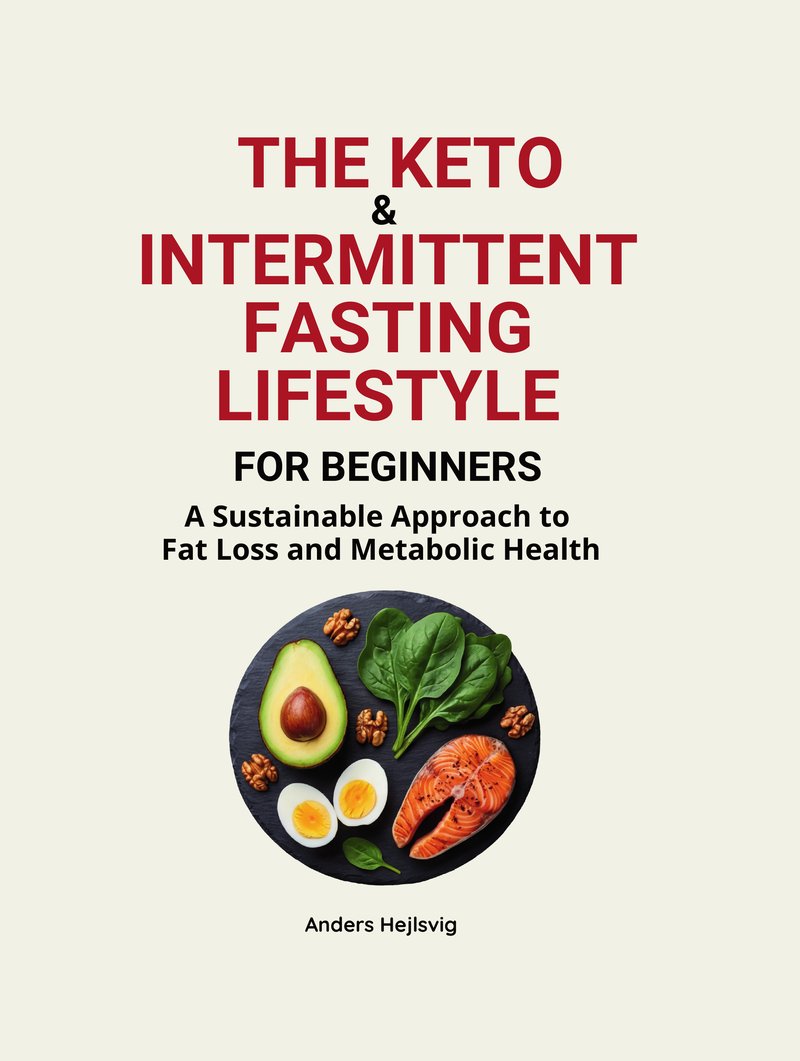
Going back to your old way of eating is no solution either, because then the weight comes back. There is a third way: keto while you are still on the medication, exercise during the same period, and fasting at the end. Keto is a diet so low in carbohydrates, typically less than 20-50 grams a day, that your body goes into ketosis: it burns mainly fat, and your liver makes ketones, an alternative fuel for your brain and muscles.
This path has not yet been tested in randomized trials, but it builds on what is known about hunger, keto and muscle.
Wegovy and Ozempic contain semaglutide, Saxenda contains liraglutide, and Mounjaro and Zepbound contain tirzepatide. They all mimic GLP-1, a gut hormone that tells your brain you are full and slows down how quickly your stomach empties. Tirzepatide also acts on a related gut hormone, GIP.
What happens when you stop?
The medication does not leave your body overnight. Semaglutide has a half-life of about one week, meaning the time it takes your body to get rid of half of it, and according to the prescribing information for Wegovy it stays in the blood for about five to seven weeks after the last dose. Tirzepatide has a half-life of about five days (prescribing information for Zepbound). Your hunger therefore returns gradually over a few weeks.
How fast the weight comes back is shown by a meta-analysis, meaning a pooled analysis of many studies. It was published in The BMJ in 2026, covered 37 studies with 9,341 participants and was partly publicly funded. Three of the authors were also supported by a research grant from the Novo Nordisk Foundation.
For semaglutide and tirzepatide, the active ingredients in Wegovy, Ozempic, Mounjaro and Zepbound, weight came back at an average of 0.8 kg (about 1.8 lb) a month, nearly 10 kg (about 22 lb) in the first year, and the projection put it back at the starting weight after about a year and a half.
For weight-loss drugs as a whole, blood pressure, blood sugar and cholesterol were also projected to be back at baseline within a year and a half. For semaglutide and tirzepatide, there was not enough data. Three large trials show the pattern for weight:
Three trials, the same pattern
| Trial | Lost on the medication | After stopping | Diet and exercise advice after stopping |
|---|---|---|---|
| STEP 1 Wegovy · Diabetes, Obesity and Metabolism 2022 · 327 participants |
17.3% over 68 weeks | Weight went up by 11.6% of starting weight within a year, two-thirds of the loss | No, it ended along with the medication |
| STEP 4 Wegovy · JAMA 2021 · 803 participants |
10.6% over 20 weeks | Weight rose 6.9% over 48 weeks | Yes, monthly |
| SURMOUNT-4 Tirzepatide · JAMA 2024 · 670 participants |
20.9% over 36 weeks | Weight rose 14.0% over 52 weeks | Yes, ongoing |
Part of the explanation is hunger. In an Australian trial without a control group, meaning no one to compare with (New England Journal of Medicine, 2011), 50 people started a very-low-calorie diet. Those who completed it lost an average of 13.5 kg (about 30 lb). A year later, ghrelin, the hunger hormone from the stomach, was still elevated, several fullness hormones were still lower, and the participants were hungrier than before they lost the weight.
In other words, the body defends its old weight for a long time. The medication dampens hunger as long as it works, but once it is gone, the body's defense is probably still there.
Could a lower dose replace stopping altogether? In the only trial that has tested this, SURMOUNT-MAINTAIN (The Lancet, 2026, 378 participants, funded by Eli Lilly), a lower maintenance dose of tirzepatide kept more of the weight off than placebo, but less than the full dose. No trial has compared a gradual taper with stopping abruptly.
The plan, step by step
Where are you?
| Your situation | What to do |
|---|---|
| You are on the medication and want to stop | Follow the three steps below |
| You stopped within the last few weeks | Switch to keto and start exercising now, while the medication is still working a little. Then carry on from step 2 |
| You take Ozempic or Mounjaro for type 2 diabetes | Make the plan with your doctor before you start keto or fasting |
| You take Wegovy to protect your heart | Stopping is your doctor's decision, not just a question of weight |
| You are stopping because you want to get pregnant | The plan is not for you. Agree on your diet with your doctor or midwife |
Three steps off the medication
| When | What to do | What is the advice based on? |
|---|---|---|
| 1. At least a month before stopping | Switch to keto, and start exercising | Our best bet Keto and the medication have only been tried together in small studies |
| 2. When the dose is lowered or stopped | Keep the diet and weigh yourself weekly, same day and time. Contact your doctor if your weight passes the agreed limit | Our best bet Diet advice alone did not keep the weight off in the large trials |
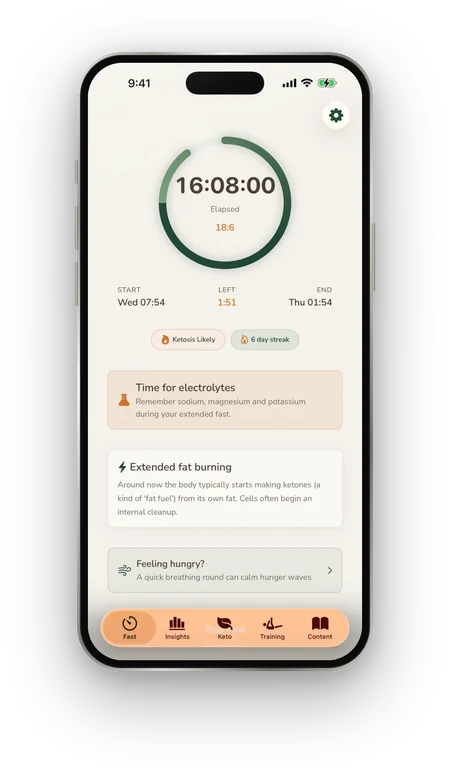
| 3. When your hunger is back | Add an eating window if you want to, such as 16:8: all your food within eight hours | Three cases Tried in only three people with type 2 diabetes on GLP-1 medication (Frontiers in Clinical Diabetes and Healthcare, 2026) |
| All the way through | Eat 80-120 g protein a day. Strength train at least three times a week, plus 150 minutes of cardio, even once your weight is stable |
Expert advice and one trial Four US medical societies (Obesity, 2025) while on the medication; a Danish trial for exercise after stopping |
What to agree on with your doctor
- When and how the dose comes down.
- Your diabetes medication, before you cut back on carbohydrates: insulin, a sulfonylurea (pills that make the pancreas release more insulin, such as glipizide or glimepiride) or an SGLT2 inhibitor (pills that make the kidneys flush sugar out in the urine, such as Jardiance or Farxiga).
- Blood pressure medication and diuretics (water pills).
- Checking your blood pressure and blood sugar after you have stopped.
- Gallstones, kidney disease or heart disease, if you have or have had them, before you switch to keto.
- A limit for how much weight gain is acceptable before you consider restarting treatment.
Getting started with keto
You can cut back on carbohydrates gradually over a week or two, but if you take diabetes medication, only once your doctor has reviewed it. Many people get headaches and feel tired for the first few days, the so-called keto flu. If you are new to keto, start with the guide to your first month.
How to eat when your appetite is small
The four societies suggest a fixed target of 80-120 g of protein a day. It is easier to stick to than a target per kilogram of body weight, which easily ends up too high with obesity, and more than 2 grams per kilogram (about 0.9 grams per pound) over a long period is discouraged. The guide to your first month sets a higher target, but with a small appetite, 80-120 g a day is more realistic. If you have kidney disease, let your doctor set your target.
- Protein first. Eat meat, fish, eggs or cheese first in the meal, so you get the protein in before you feel full. The order also affects your blood sugar, as we describe in our article on meal sequence.
- Small, regular meals. Eat small meals at set times instead of waiting for a hunger that may never come. The societies recommend this too.
- Vegetables and water. Constipation is a common side effect of the medication, and keto can make it worse. Vegetables high in fiber and plenty to drink help.
- Salt. Nausea, vomiting and diarrhea can cause fluid loss, and in the first weeks of keto your body also gets rid of more water and salt. Read our guide to electrolytes.
- Real food. Many keto bars and keto breads are ultra-processed. The societies recommend minimally processed food with fiber for people eating keto on the medication.
Eat enough, even when you are not hungry. Keto also curbs your appetite, and together with the medication it can be too much. Cases of ketoacidosis have been described in people without diabetes. Ketoacidosis is a dangerous buildup of acid in the blood and not the same as ordinary ketosis. Two of the cases, a 40-year-old woman on Wegovy (JCEM Case Reports, 2024) and a 21-year-old woman on tirzepatide (International Journal of Emergency Medicine, 2026), were already eating low-carb and became ill after days of vomiting.
Call your doctor or go to urgent care the same day if you cannot keep food or fluids down, and call 911 if you are breathing fast and deep or become confused.
Where does fasting fit in?
While you are on the medication, you may already be fasting without planning to. The societies warn against long fasts without enough protein, because they can cost you muscle mass and lower the calories you burn at rest. Prolonged fasting beyond a day therefore has no place in the transition.
The eating window in step 3 gives you structure and fewer occasions to snack. But fasting is not a shortcut. In a randomized trial of 100 adults (JAMA Internal Medicine, 2017), those who fasted every other day neither lost more nor kept the weight off better than those who cut back just as much every day, and more of them dropped out. Choose the approach you can keep up. Our guide to intermittent fasting shows you how to get started.
If you take insulin or a sulfonylurea, an eating window can also cause low blood sugar. Agree on it with your doctor first.

Who should not follow this plan alone?
- Type 2 diabetes: Ozempic and Mounjaro are diabetes drugs. If you take insulin or a sulfonylurea, keto and eating windows can cause low blood sugar (hypoglycemia), and your doctor needs to adjust the doses. If you take an SGLT2 inhibitor, keto carries a risk of ketoacidosis even when your blood sugar is normal (euglycemic ketoacidosis). Ask your doctor whether to pause it. If you take it to protect your heart or kidneys, it often continues, and the carbohydrates are adjusted instead. See also our guide to type 2 diabetes.
- Type 1 diabetes: Keto and fasting only in close cooperation with your diabetes care team, because the risk of both low blood sugar and ketoacidosis is higher.
- Vomiting and signs of ketoacidosis: If you cannot keep food or fluids down, or are peeing very little, call your doctor or go to urgent care the same day. If you are breathing fast and deep, or are confused or unusually drowsy, call 911. It may be ketoacidosis, which needs hospital treatment. According to the prescribing information, dehydration can cause acute kidney injury.
- Gallstones and severe abdominal pain: The medication raises the risk of gallstones and gallbladder inflammation. A meta-analysis of 76 trials (He and colleagues, JAMA Internal Medicine, 2022) found the highest risk in the weight-loss trials. If you have had gallstones or gallbladder attacks, talk to your doctor before switching to a high-fat diet like keto. Pain under your right ribs, especially after meals, fever or yellowing of the skin should be checked. Persistent, severe pain that spreads to your back can be inflammation of the pancreas and needs emergency care.
- Pregnancy: According to the prescribing information, Wegovy and Ozempic should be stopped at least two months before a planned pregnancy. For Zepbound and Mounjaro, ask your doctor about the timing. During pregnancy and breastfeeding, the goal is not weight loss.
- Eating disorders: If you have, or have had, an eating disorder, strict rules about carbohydrates and eating windows can trigger a relapse. Talk to your care team before you follow the plan.
- Kidney disease: A high protein intake can strain diseased kidneys, so your doctor should set your protein target.
- Heart disease: In the SELECT trial (New England Journal of Medicine, 2023), funded by Novo Nordisk, 17,604 people with cardiovascular disease and overweight took Wegovy or placebo and were followed for an average of just over three years. On Wegovy, 6.5% had a cardiovascular death, heart attack or stroke, versus 8.0% on placebo. So do not stop Wegovy without your doctor.
- Blood pressure: Your blood pressure can rise again when the medication stops, while keto often lowers it. If you take blood pressure medication, your blood pressure can drop too low, and your doctor needs to adjust the dose. Diuretics also increase the loss of salt and fluid on keto.
- Cholesterol: LDL cholesterol, the type of cholesterol that can build up in your arteries, rises in some people on keto. If you have cardiovascular disease, have it checked before you start, and never stop or change cholesterol-lowering medication without your doctor. If you have inherited high cholesterol (familial hypercholesterolemia), your doctor should be involved from the start. Read our guide to cholesterol on keto.
- Children and teens: Wegovy is approved from age 12. Keto and fasting under 18 only by agreement with the care team.
Why keto and exercise?
In the Australian trial, the participants were in ketosis during the diet, and as long as that lasted, the rise in ghrelin was dampened (European Journal of Clinical Nutrition, 2013). When they went back to ordinary food, both ghrelin and hunger went up.
The closest thing to the third way is a study from a US keto clinic that looked back at patient records, without random assignment, and was paid for by the clinic, whose employees wrote it (Diabetes Therapy, 2024). 154 people with type 2 diabetes had added keto with less than 30 grams of carbohydrate a day on top of their GLP-1 medication and then stopped the medication.
Over the following year, about 15% of the weight they had lost came back. The change was not statistically significant, and the weight of 154 people who stayed on the medication did not change significantly either. The result does not transfer directly to Wegovy: only 29% had taken semaglutide, and the largest group had taken dulaglutide (Trulicity), which is used only for diabetes.
Keto alongside the medication has been described in seven patients on low-dose semaglutide, at most 1 mg a week, without a control group (Journal of Personalized Medicine, 2026). In an Italian study without random assignment, 60 patients took tirzepatide with either a ketogenic or an ordinary low-calorie diet for 12 weeks (Nutrients, 2025).
The keto group kept more fat-free mass, meaning everything in the body that is not fat, including your muscles, but also got twice the share of its energy from protein. More people in the keto group had a smaller appetite (60% versus 27%), while nausea, vomiting and constipation were about as common in both groups.
Exercise is the best bet for keeping the weight off afterward. In the Danish randomized S-LiTE trial (New England Journal of Medicine, 2021), funded by the Danish foundations Helsefonden and the Novo Nordisk Foundation, 195 adults with obesity first lost 13 kg (about 29 lb) on a low-calorie diet and then spent a year on exercise, liraglutide (Saxenda), both, or placebo.
One year after treatment ended, those who had received both liraglutide and exercise weighed an average of 5 kg (about 11 lb) less than those who had only taken liraglutide (eClinicalMedicine, 2024; 109 of the 195 were measured).
Exercise also protects your muscles. According to the societies, 38% of the weight lost in STEP 1 was fat-free mass, and about half of that is muscle. More protein is unlikely to be enough to preserve muscle without strength training.
Frequently asked questions
Can I be in ketosis while taking Wegovy?
Yes, but eat enough and put protein first. With Wegovy and Ozempic, keto has only been described in a handful of patients.
Should I taper off or stop abruptly?
Nobody knows, because the two approaches have never been compared. You make the plan for the dose with your doctor.
How quickly does the hunger come back?
Gradually over a few weeks, because the medication leaves your body slowly.
Do I have to stay on keto for the rest of my life?
Nobody knows. The studies of keto after the medication have followed people for a year at most. If your weight holds, you can later try a more relaxed low-carb diet.
Is it a failure to go back on the medication?
No. The STEP 1 researchers saw the weight regain after stopping as a sign that obesity is a chronic disease, and for some people the medication is the right long-term solution.
Related Reading
- GLP-1 and Diet, on how food can boost your body's own satiety hormone.
- Do You Lose Muscle on Keto?, on what research shows about muscle and ketosis.
- Fasting Reshapes Your Hunger Hormones, on ghrelin and fullness during fasting.
- Type 2 Diabetes and Prediabetes, if you take Ozempic for your diabetes.
- The Ketogenic Diet Is Not for Everyone, on side effects and medications that do not mix with keto.
